

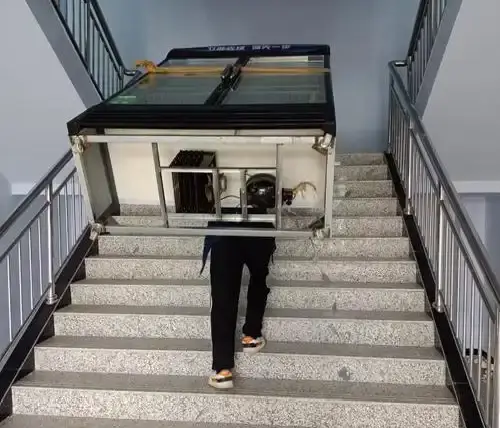
Moving heavy goods up and down stairs can be physically demanding and time-consuming. For moving companies, appliance distributors, construction suppliers and logistics businesses, an electric stair climber provides a more efficient way to transport equipment between floors.
However, not every model is suitable for every job. Before purchasing an electric stair climbing hand truck, buyers should consider load capacity, stair conditions, machine weight, battery performance and the type of goods being transported.
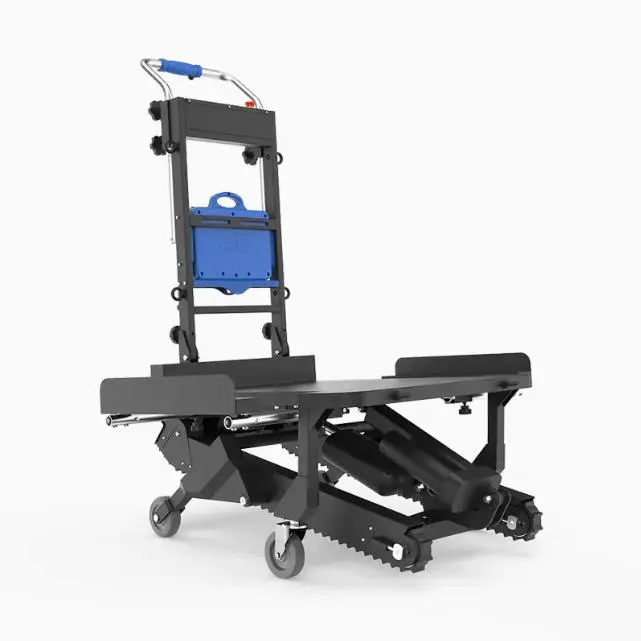
What Is an Electric Stair Climber?
An electric stair climber is a powered material-handling device designed to move goods up and down staircases. It uses an electric motor and a specialized climbing mechanism to reduce the physical effort required from operators.
Common applications include:
- Furniture and household appliance delivery
- Moving and relocation services
- Construction material transportation
- Warehouse and factory equipment handling
- Office equipment and commercial goods delivery
Depending on the design, electric stair climbers may use crawler tracks or multi-wheel climbing mechanisms. The right configuration depends on the load, staircase and working environment.
Crawler vs. Multi-Wheel Stair Climbers
The climbing mechanism is one of the most important factors when selecting an electric stair climber.
| Factor | Crawler-Type Stair Climber | Multi-Wheel Stair Climber |
|---|---|---|
| Climbing mechanism | Continuous crawler tracks | Rotating wheel groups |
| Typical application | Heavy or bulky goods, depending on model | General goods transportation |
| Ground contact | Track contact area | Individual wheel contact |
| Key consideration | Track dimensions and staircase compatibility | Wheel configuration and step geometry |
| Before purchasing | Check track angle and stair requirements | Check permitted step dimensions and operating method |
Crawler models are often considered for heavier material-handling applications, while multi-wheel designs can suit other delivery and transportation tasks. Actual performance depends on the machine design and its rated specifications, so buyers should not choose by mechanism alone.
5 Important Factors Before Buying
1. Load Capacity
Start with the maximum weight of the goods you regularly transport. Consider the heaviest item, not only the average delivery weight.
For example, Shenggong offers different configurations, including:
- NQTF-ST061: rated load capacity of 170 kg
- NQTF-ST043: rated load capacity of 400 kg
- NQTF-ST065: maximum load capacity of 1,000 kg
These models serve different handling requirements. Always confirm that the rated capacity is suitable for the actual load and operating conditions.
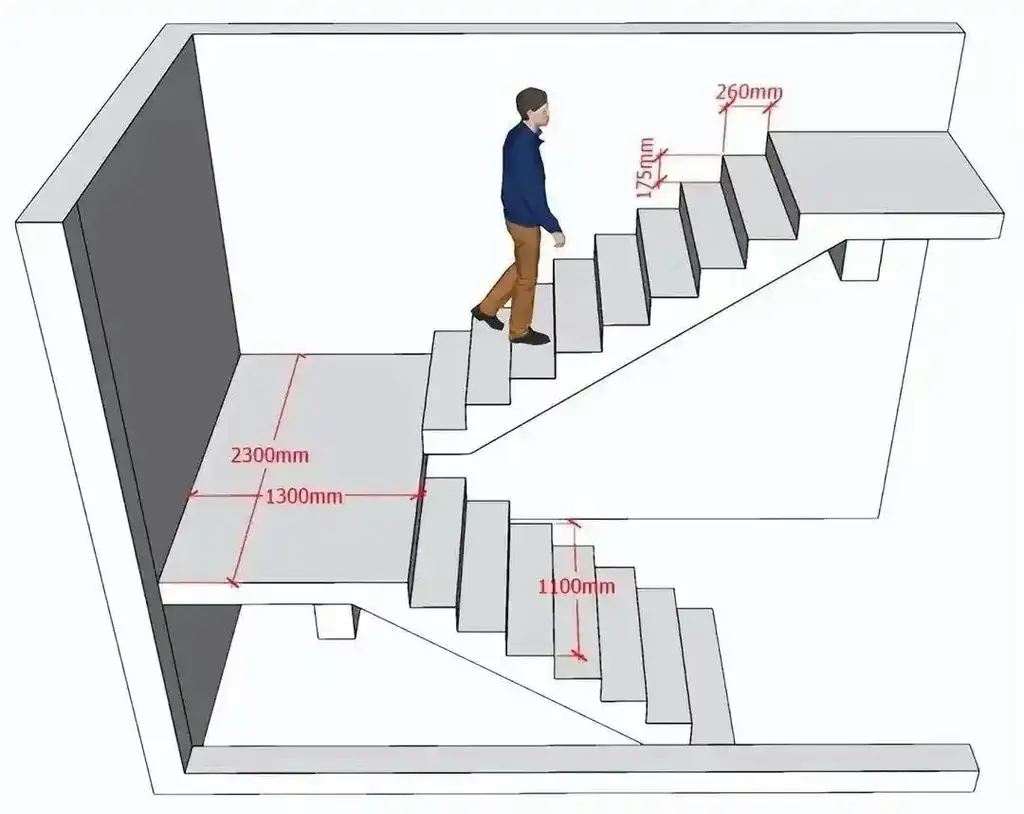
2. Staircase Dimensions and Angle
Measure the staircase before selecting a machine. Important details include:
- Staircase angle
- Step height and tread depth
- Staircase width
- Landing space and turning area
- Surface material and condition
Do not assume that a machine can climb every staircase simply because it is described as a crawler stair climber. Check the manufacturer’s permitted staircase conditions and arrange a suitability assessment when necessary.
For example, the NQTF-ST065 specifies a maximum staircase angle of 35°. This is a model-specific limit, not a general limit for all electric stair climbers.

3. Battery Capacity and Working Time
Battery performance affects how many deliveries can be completed between charging periods.
Check the battery type, charging time and stated operating endurance. Also consider the number of floors, load weight, climbing frequency and whether the machine will be used continuously.
For reference, the NQTF-ST061 lists an endurance of 68–153 floors and an approximate charging time of 3 hours. The NQTF-ST065 uses a 48V 40Ah lithium battery and lists an approximate operating time of 0.8 hours / 20 floors.
These figures are model-specific. Actual results depend on operating conditions and should be confirmed for the intended application.
4. Machine Weight and Portability
A stair climber must be transported, stored and positioned before use. Its own weight therefore matters, especially for delivery teams working across multiple locations.
For mobile operations, a foldable and lightweight design can be more convenient. For heavier industrial applications, buyers may need a larger platform and stronger supporting structure.
The NQTF-ST061, for example, has an aluminum alloy body and an approximate net weight of 26.4 kg, making portability one of its key design characteristics.

5. Safety and Operator Requirements
Before purchasing, check the braking system, load securing method, control design and operating instructions.
Operators should receive suitable training and follow the manufacturer’s instructions. The load must be properly secured, the staircase kept clear, and the machine used only within its rated operating conditions.
Mechanical handling equipment can help reduce manual handling risks, but it does not remove the need for workplace risk assessment and safe operating procedures.

Which Electric Stair Climber Fits Your Business?
The best model depends on your daily workload:

- Delivery and moving companies: Consider portability, folding design, battery endurance and the weight of typical goods.
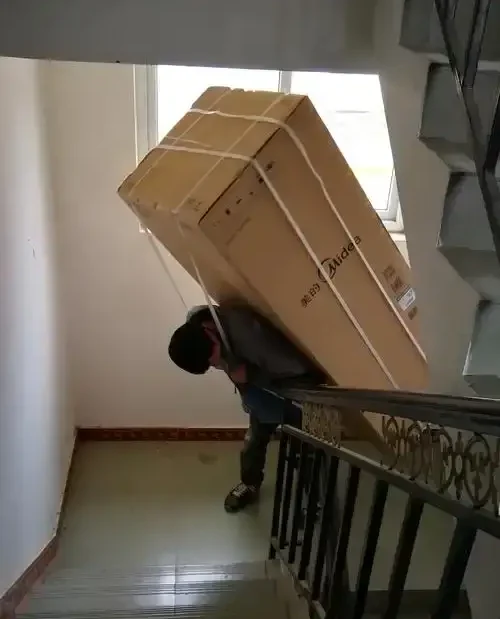
- Appliance distributors: Check the dimensions of refrigerators, washing machines and other bulky products, as well as the available platform or support structure.

- Construction suppliers: Prioritize rated load capacity, staircase compatibility and the dimensions of the materials being transported.
- Industrial equipment handling: Consider heavy-duty crawler designs, platform dimensions, lifting functions and the actual staircase angle.

Buying Checklist
Before placing an order, confirm:
- Maximum load weight and dimensions
- Staircase angle, width and step dimensions
- Climbing mechanism and platform configuration
- Battery type, charging time and working endurance
- Machine weight and storage requirements
- Braking and load-securing arrangements
- Operator training and technical documentation
- Spare parts, warranty terms and supplier support

Frequently Asked Questions
Q: What is the difference between a crawler and a multi-wheel electric stair climber?
A: Crawler models use continuous tracks, while multi-wheel models use rotating wheel groups. Their suitability depends on the machine’s design, load rating and staircase conditions.
Q: How much weight can an electric stair climber carry?
A: Capacity varies by model. Shenggong’s published examples include 170 kg, 400 kg and up to 1,000 kg. Always check the exact model specification.
Q: Can an electric stair climber work on every staircase?
A: No. Stair angle, step dimensions, width, landing space and surface condition all matter. Confirm compatibility with the manufacturer before use.
Q: How long does an electric stair climber battery last?
A: It depends on the battery configuration, load, number of floors and operating conditions. Compare the manufacturer’s stated endurance and charging time for the exact model.
Q: What should overseas buyers confirm before ordering?
A: Confirm the technical specifications, staircase compatibility, battery and charger configuration, spare parts availability, warranty terms, packaging and shipping requirements.
Conclusion
Choosing the right electric stair climber starts with understanding the goods you need to move and the staircase conditions at your workplace. Load capacity, climbing mechanism, battery endurance and operator safety should all be evaluated before making a purchasing decision.
Shenggong Machinery offers electric stair climbing equipment for different material-handling requirements, including portable crawler models and heavy-duty configurations. We support product customization and OEM/ODM cooperation for overseas distributors and business buyers.
Contact our team at sales2@fjshenggong.com to discuss your application and find a suitable configuration.