
Moving palletized goods across a warehouse floor does not always require a forklift. For loading docks, distribution centers, retail backrooms and manufacturing facilities, an electric pallet truck — also known as a powered pallet jack or walkie pallet truck — provides a fast, compact and cost-effective solution for horizontal pallet transport.
What Is an Electric Pallet Truck?
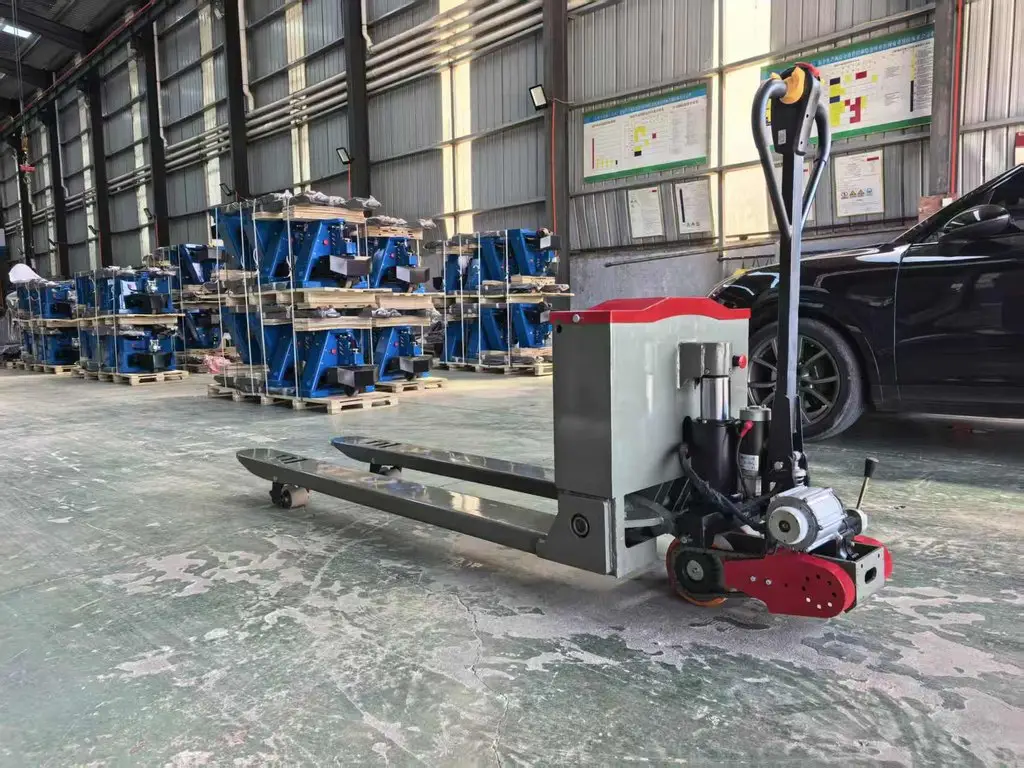
An electric pallet truck is a battery-powered material handling vehicle designed to lift and move palletized loads over short and medium distances. It features two forks that slide under a pallet, a hydraulic system that raises the load a few centimeters off the ground, and an electric drive motor for travel.
Operators either walk behind the unit (walkie) or stand on a foldable ride-on platform. Typical rated capacities range from 1.5 to 3 tons, covering most standard EUR and US pallet sizes. Shenggong’s NQQZ-series electric pallet trucks are built for high-cycle warehouse and logistics applications and support OEM/ODM customization.
Why Choose an Electric Pallet Truck?
1. Higher Throughput
A powered drive and lift system allows one operator to move more pallets per hour than a manual pallet jack, especially over distances longer than 30–50 meters.
2. Reduced Physical Strain
Manual pump trucks require repeated pumping and pulling. Electric pallet trucks handle both lifting and travel electrically, lowering operator fatigue and the risk of musculoskeletal injuries.
3. Compact Maneuverability
With a shorter turning radius than most forklifts, electric pallet trucks operate efficiently in narrow aisles, tight backrooms and inside shipping containers.
4. Lower Operating Cost
Electric drivetrains have fewer wearable components than internal combustion engines. With no fuel expense and minimal maintenance, they are economical for multi-shift indoor operation.
5. Quiet and Emission-Free
Battery-powered operation produces no direct exhaust and lower noise, making these trucks suitable for indoor environments including food, beverage and pharmaceutical facilities.
Where Are Electric Pallet Trucks Used?
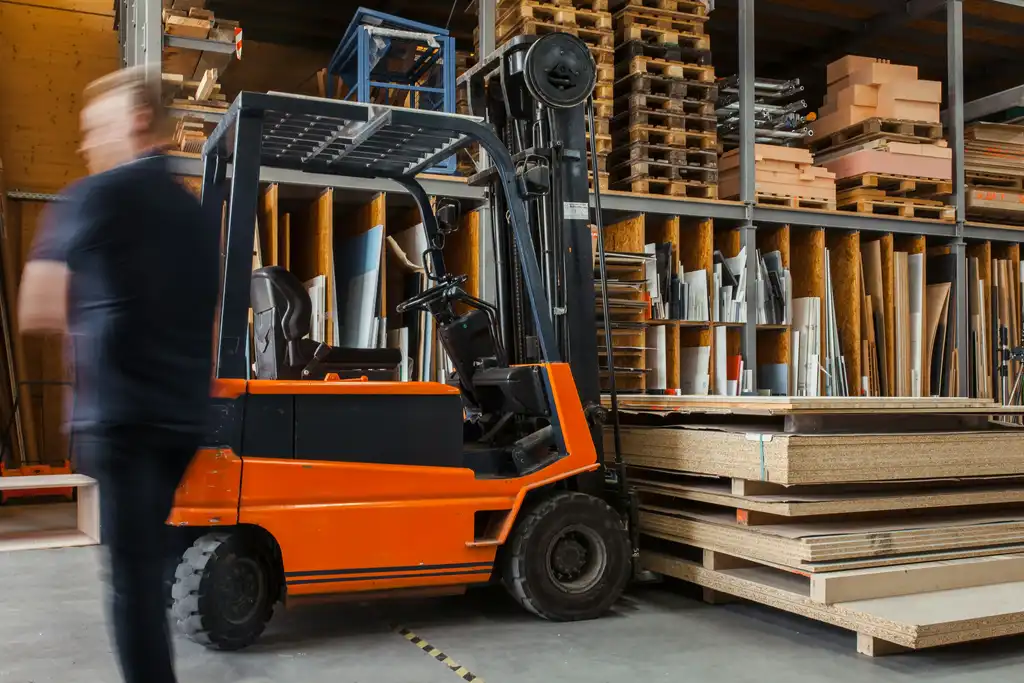
Warehouses and Distribution Centers
Dock-to-stock movement, transport between storage zones and order picking are the most common applications.
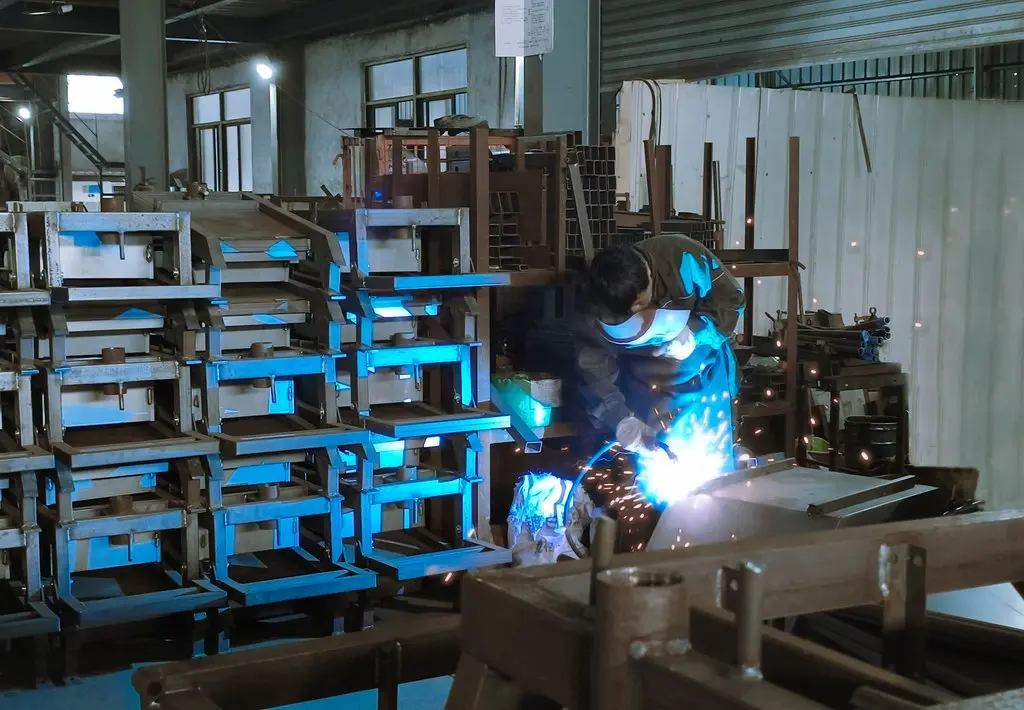
Manufacturing Facilities
Moving raw materials to production lines and finished goods to the shipping area.

Retail and Supermarkets
Backroom replenishment and transporting pallets or roll cages to the sales floor.

Logistics and Freight
Loading and unloading trucks and containers, as well as cross-docking operations.
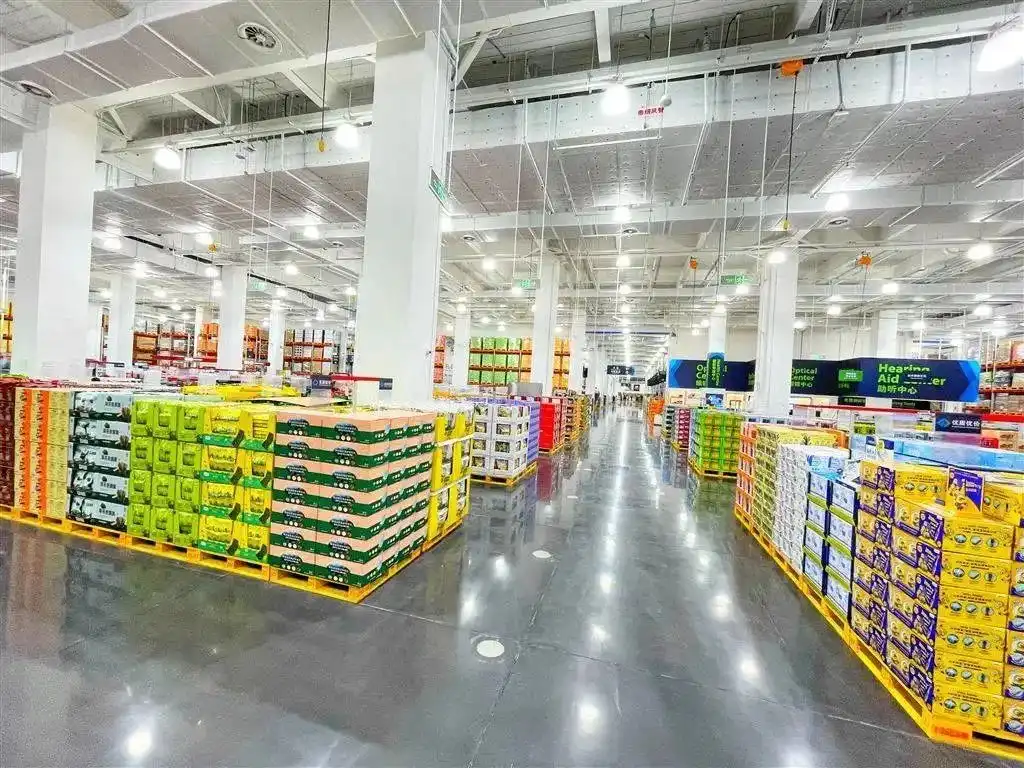
Food, Beverage and Pharmaceutical Storage
Clean, emission-free operation meets the requirements of sensitive indoor storage environments.
Electric Pallet Truck vs. Manual Pallet Truck vs. Forklift
These three tools serve different purposes:
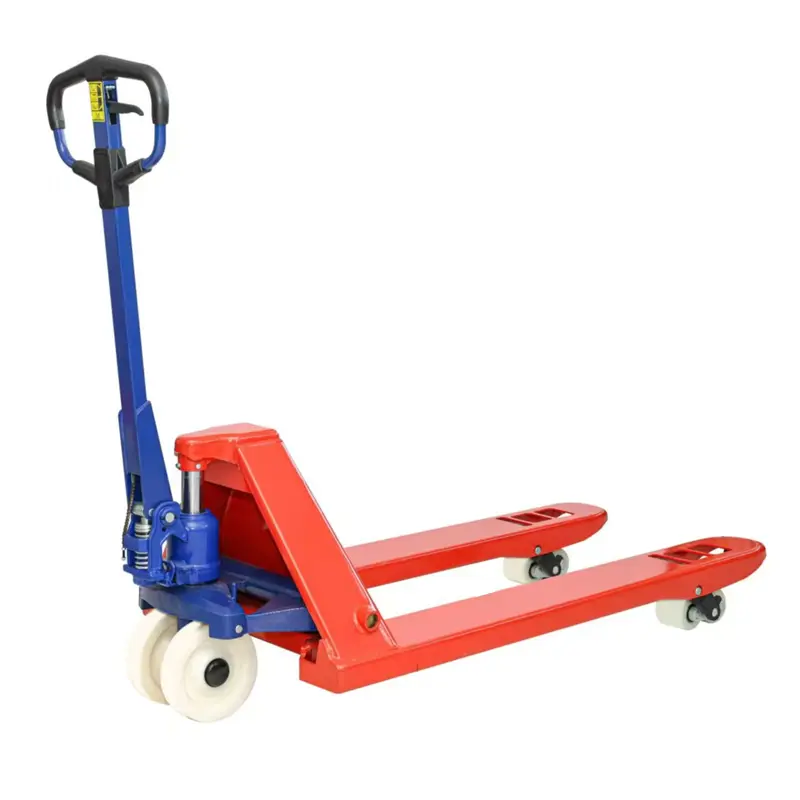
- Manual pallet truck — lowest purchase cost and no battery required, but slow and physically demanding. Best for low-volume, occasional use.

- Electric pallet truck — powered drive and lift, designed for regular daily pallet movement over tens to hundreds of meters.

- Forklift — lifts pallets to height for rack storage. Larger, more expensive and requires certified operators. Choose one when vertical stacking is required.
A practical rule: if your operation moves pallets horizontally and does not need to stack them onto racks, an electric pallet truck is usually the more efficient and lower-cost option. If you also need vertical lifting, compare it with an electric forklift .

What Should Buyers Consider?
1. Load Capacity
Determine both the typical and maximum pallet weight, and select a truck with a safety margin above the heaviest load.
2. Fork Dimensions
Fork length and width must match the pallets you use (EUR 1200×800 mm, US 48×40 in, etc.). Confirm whether you need standard, narrow or long forks.
3. Battery Type
Lead-acid batteries have a lower upfront cost but require dedicated charging space and maintenance. Lithium-ion batteries support opportunity charging, last longer and are maintenance-free — a better fit for multi-shift operations.
4. Operating Environment
For smooth indoor concrete floors, polyurethane wheels are standard. For outdoor or rougher surfaces, choose rubber wheels and consider sealed electronics. Cold-storage models are available for freezer environments.
5. Operator Configuration
Walk-behind models suit short, frequent trips. Ride-on (stand-on platform) models reduce operator fatigue over longer distances and higher daily throughput.
6. Turning Radius and Aisle Width
Measure the narrowest aisles, doorways and container openings the truck must pass through.
7. Supplier and After-Sales Support
For overseas buyers, evaluate product documentation, spare parts availability, warranty, shipping support and OEM/ODM capability. A reliable supplier reduces long-term ownership cost.

Electric Pallet Truck Buying Checklist
Before requesting a quotation, prepare the following:
- Load capacity: maximum pallet weight
- Pallet size and fork dimensions required
- Daily operating hours and number of shifts
- Environment: indoor, outdoor or mixed
- Narrowest aisle width and turning space
- Battery preference: lead-acid or lithium-ion
- Operator type: walk-behind or ride-on
- Wheel material suited to your floor
- Special requirements: cold storage, wash-down, certifications
- Customization needs: voltage, platform, fork length, branding
The more detail you provide, the easier it is for a supplier to recommend the correct configuration.

Frequently Asked Questions
Q: Electric or manual pallet jack — which should I buy?
A: Choose electric if you move pallets daily over distances beyond a few meters or handle more than a handful of pallets per shift. Manual is sufficient only for occasional, low-volume use.
Q: How long does a battery last on a single charge?
A: It depends on capacity and workload, but most lithium-ion pallet trucks run a full 8-hour shift on one charge and can be opportunity-charged during breaks. Lead-acid batteries typically require an overnight charge.
Q: Can electric pallet trucks be used outdoors?
A: Some can, provided they have rubber wheels, sealed electronics and a suitable IP rating. Most standard models are optimized for smooth indoor floors — confirm with your supplier.
Q: Do operators need a license?
A: In many regions, walk-behind electric pallet trucks do not require the same certification as forklifts, but operator training is always recommended. Ride-on models may be regulated differently — check local requirements.
Q: Lithium-ion or lead-acid?
A: Lithium-ion costs more upfront but offers longer life, faster charging and zero maintenance. Lead-acid is cheaper to buy but needs regular maintenance and a dedicated charging area. For multi-shift use, lithium-ion usually delivers the lower total cost.

Conclusion
Electric pallet trucks are one of the highest-ROI investments in warehouse and logistics material handling. The right model depends on matching load capacity, fork dimensions, battery type, operating environment and shift schedule to your actual workflow.
Shenggong Machinery supplies NQQZ-series electric pallet trucks alongside electric forklifts, three-wheeled handling trucks, electric mini dumpers and complete material handling solutions, with OEM/ODM customization for overseas buyers. Contact our team for a configuration recommendation and quotation.