
Not every warehouse needs a full-size forklift. For operations that stack pallets at low-to-medium heights and work in narrow aisles, an electric stacker — often called a walkie stacker — offers a compact, affordable and highly maneuverable alternative. Choosing the right one depends on matching lift height, load capacity and chassis design to your storage layout.
What Is an Electric Stacker?
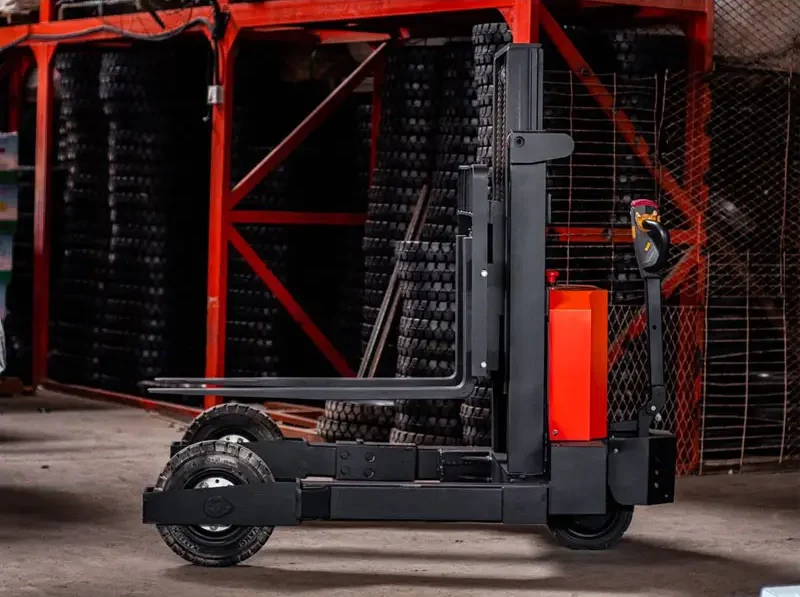
An electric stacker is a battery-powered industrial truck used to lift, transport and stack palletized goods. It combines the horizontal travel of an electric pallet truck with a vertical lifting mast. Most models handle 1.0–2.0 tons and lift between 2.5 and 5 meters, covering the majority of low- and medium-level racking systems.
Common configurations include:

- Walkie stacker — operator walks behind; the most compact and economical type.

- Straddle stacker — outrigger legs straddle the pallet for stability; requires open-bottom pallets.
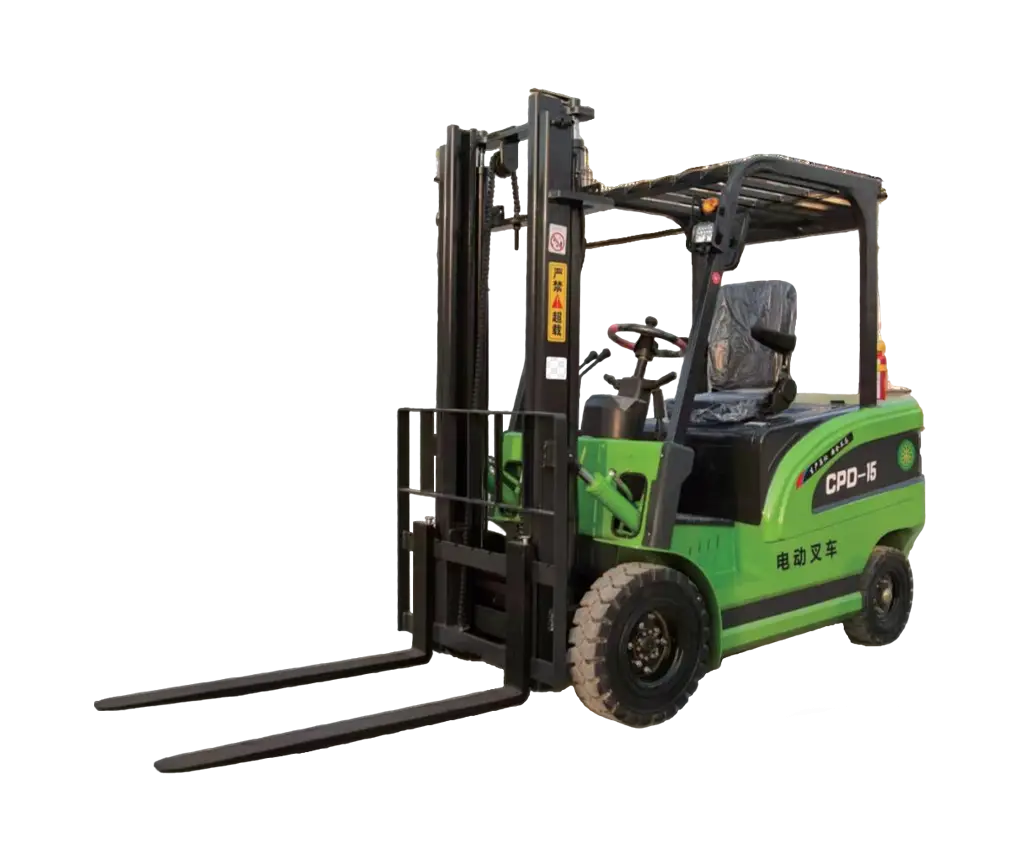
- Counterbalance stacker — no outriggers; works with closed pallets and shelves, but has a larger turning radius.
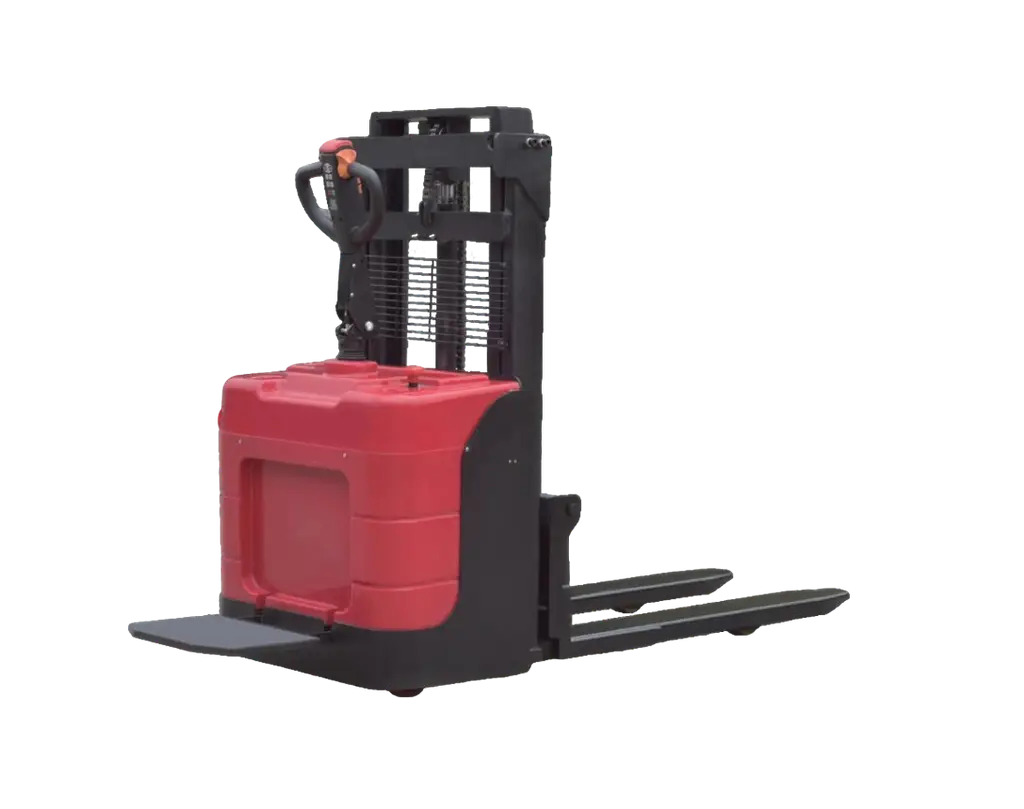
- Ride-on stacker — with an operator platform for longer travel distances and higher throughput.
Shenggong’s lifting-equipment range includes electric stacker configurations alongside electric forklifts and electric pallet trucks, with OEM/ODM customization available.
Why Choose an Electric Stacker?
1. Lower Cost Than a Forklift
A walkie stacker typically costs a fraction of a sit-down forklift while covering most low-level stacking tasks.
2. Compact for Narrow Aisles
With no operator compartment, walkie stackers operate in aisles where conventional forklifts cannot turn.
3. Versatile Dual Function
One machine handles both horizontal transport and vertical stacking, reducing the number of equipment types on the warehouse floor.
4. Easy to Operate
Walk-behind models generally require less training than forklifts and can be deployed quickly across shifts.
5. Clean and Quiet Indoor Operation
Battery power produces no direct exhaust and low noise, making stackers suitable for warehouses, retail backrooms and manufacturing facilities.
Where Are Electric Stackers Used?
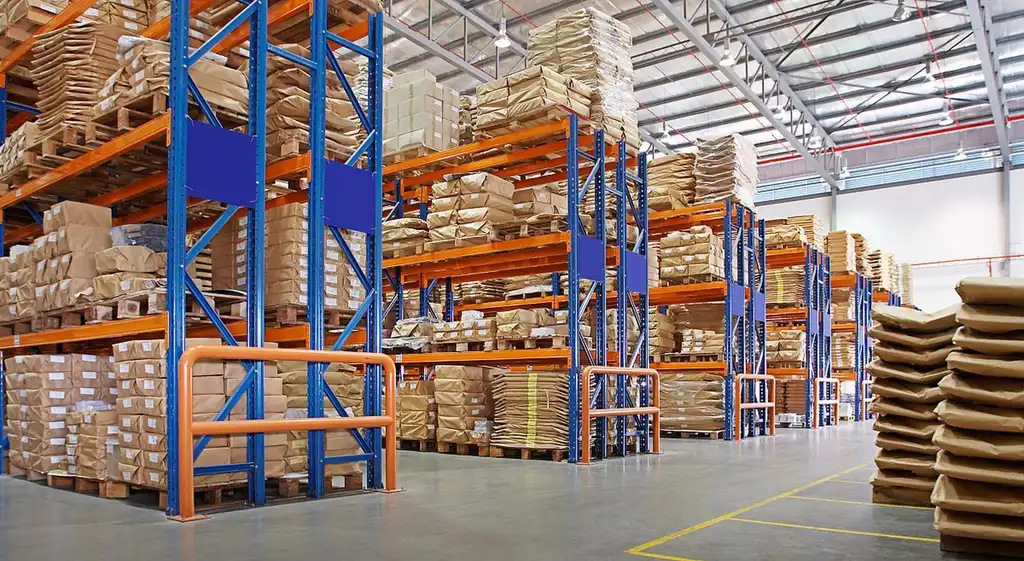
- Warehouses with low- and medium-level racking (2–5 levels)
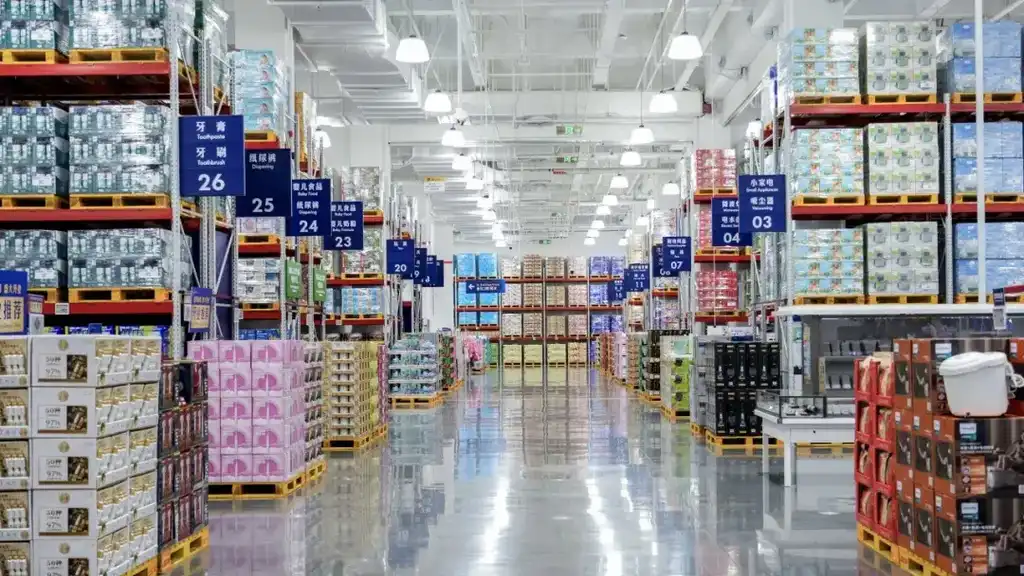
- Retail backrooms and supermarkets
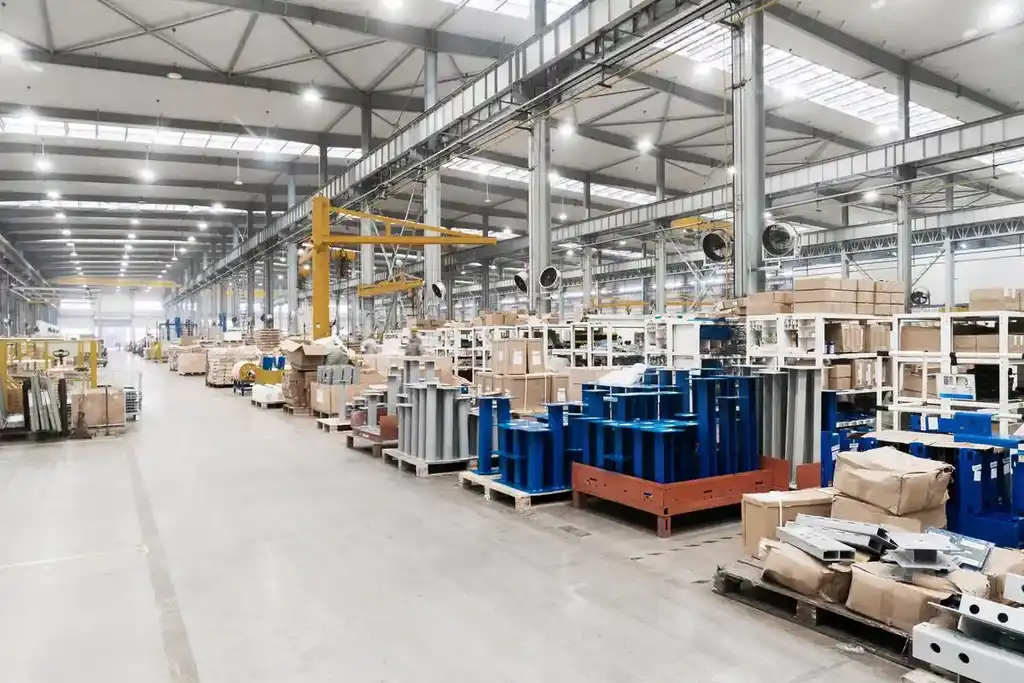
- Small and medium-sized manufacturing facilities
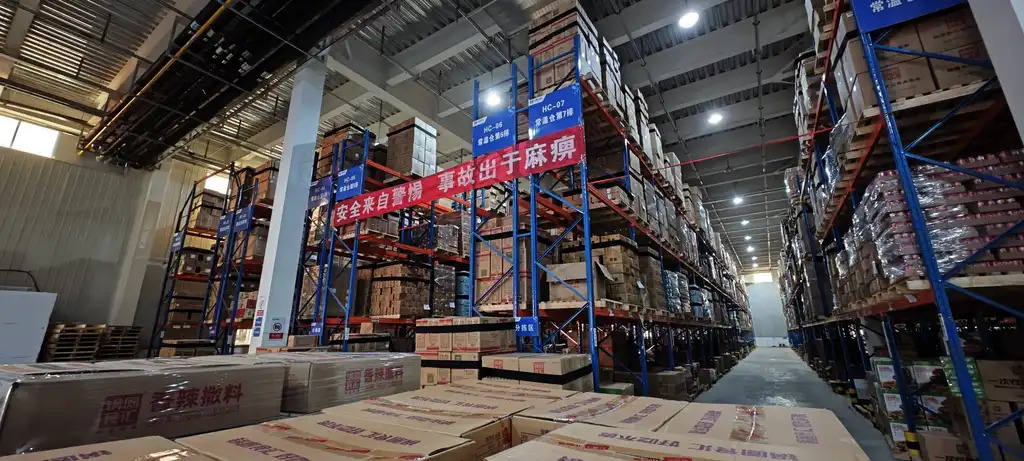
- Distribution centers for order picking and replenishment
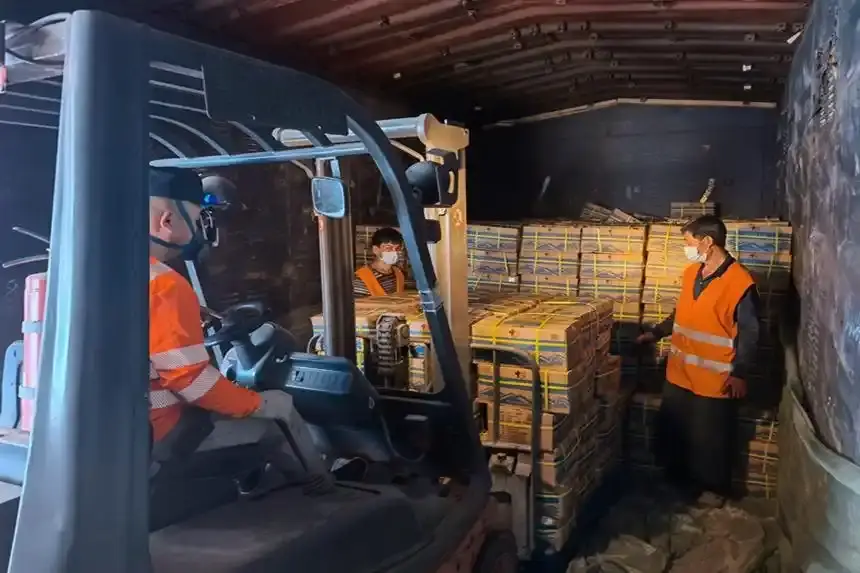
- Loading and unloading in confined dock areas
Electric Stacker vs. Pallet Truck vs. Forklift
These three machines cover different parts of the workflow:
- Electric pallet truck — horizontal transport only, no stacking. Best for dock work and floor-level movement.
- Electric stacker — transport plus stacking to medium heights. Best for low/medium racking in narrow spaces.
- Forklift — higher lift capacities and heights, sit-down operation, higher cost and certification. Best for high-rack, high-throughput warehouses.
A practical rule: if you stack pallets above floor level but below roughly 5 meters and work in tight spaces, a stacker is usually the optimal choice. For higher racking or heavier loads, compare it with an electric forklift.
What Should Buyers Consider?
1. Lift Height
Measure the maximum rack level the stacker must reach, and add a small safety margin. Remember that rated capacity decreases at higher lift heights.
2. Load Capacity
Determine the heaviest pallet you handle, and select a model with capacity above that weight at the required lift height.
3. Mast Type
- Simplex mast — lowest cost, limited lift height.
- Duplex/triplex mast — higher lift and better visibility.
- Free-lift mast — required for working inside containers and under low ceilings.
4. Chassis Type
Straddle stackers are cheaper and more stable but need open-bottom pallets. Counterbalance stackers work with any pallet or shelf but are larger and need more turning space.
5. Aisle Width and Turning Radius
Measure the narrowest aisle and doorway the stacker must pass through; outrigger legs add width.
6. Pallet Type
EUR, US and closed-bottom pallets require different fork and chassis configurations.
7. Battery Type
Lead-acid batteries have a lower upfront cost; lithium-ion batteries support opportunity charging and multi-shift operation with no maintenance.
8. Operator Configuration
Walk-behind suits short, frequent trips. Ride-on models reduce fatigue over longer travel distances.
9. Supplier and After-Sales Support
For overseas buyers, confirm documentation, spare parts availability, warranty, shipping support and OEM/ODM capability.

Electric Stacker Buying Checklist
Before requesting a quotation, prepare:
- Maximum pallet weight and capacity at required height
- Maximum lift height / rack level
- Mast type and free-lift requirement
- Pallet type (open or closed bottom)
- Chassis preference: straddle or counterbalance
- Narrowest aisle width
- Working environment: indoor, outdoor or mixed
- Battery type and charging infrastructure
- Operator type: walk-behind or ride-on
- Certifications and customization needs
Frequently Asked Questions
Q: How high can a walkie stacker lift?
A: Most models lift 2.5–5 meters. Triplex-mast versions reach the higher end of this range.
Q: Straddle or counterbalance stacker — which do I need?
A: Choose a straddle stacker if you use open-bottom pallets and want lower cost. Choose counterbalance if you use closed pallets or shelves and have enough turning space.
Q: Do operators need a license?
A: Walk-behind stackers often require less certification than sit-down forklifts, but operator training is always recommended. Ride-on models may be regulated differently — check local requirements.
Q: Can a stacker replace a forklift?
A: For low/medium racking and lighter loads, yes. For high racking, heavy loads or high-throughput operations, a forklift is the better tool.
Q: Lithium-ion or lead-acid battery?
A: For multi-shift use, lithium-ion usually delivers the lower total cost. For single-shift operation on a tight budget, lead-acid remains a valid choice.

Conclusion
An electric stacker occupies the sweet spot between a pallet truck and a forklift. The right model depends on lift height, capacity, mast type, pallet design and aisle width — evaluated together, not as separate specs.Shenggong Machinery supplies electric stackers, electric forklifts, electric pallet trucks, three-wheeled handling trucks and electric mini dumpers, with OEM/ODM customization for overseas buyers. Contact our team for a configuration recommendation and quotation.