

One of the first decisions when buying a forklift is the power source. Electric, diesel and propane (LPG) forklifts each have real strengths, and each is the best fit for a different kind of operation. The right choice depends on your working environment, shift schedule, fuel or charging infrastructure, and total cost budget. This guide compares all three side by side so you can decide with confidence.
How Each Forklift Type Works
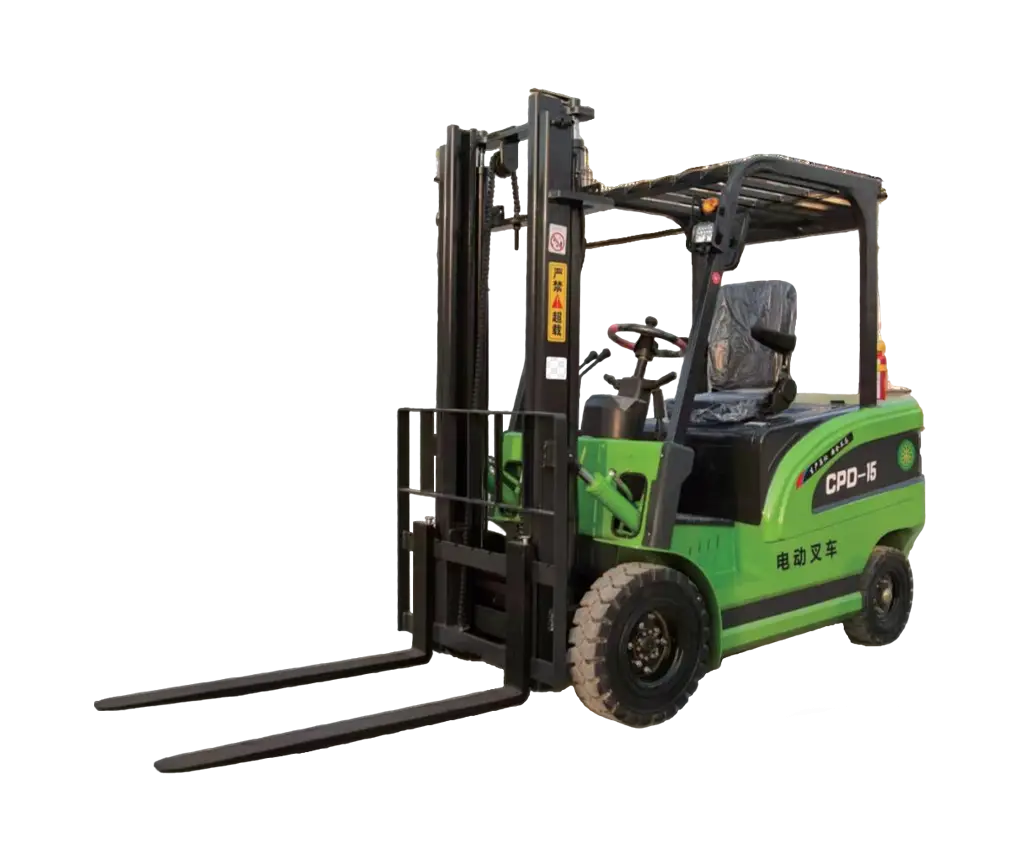
- Electric forklift — powered by a battery and electric motor. No combustion engine, no on-site exhaust. Many models include regenerative braking to extend runtime.
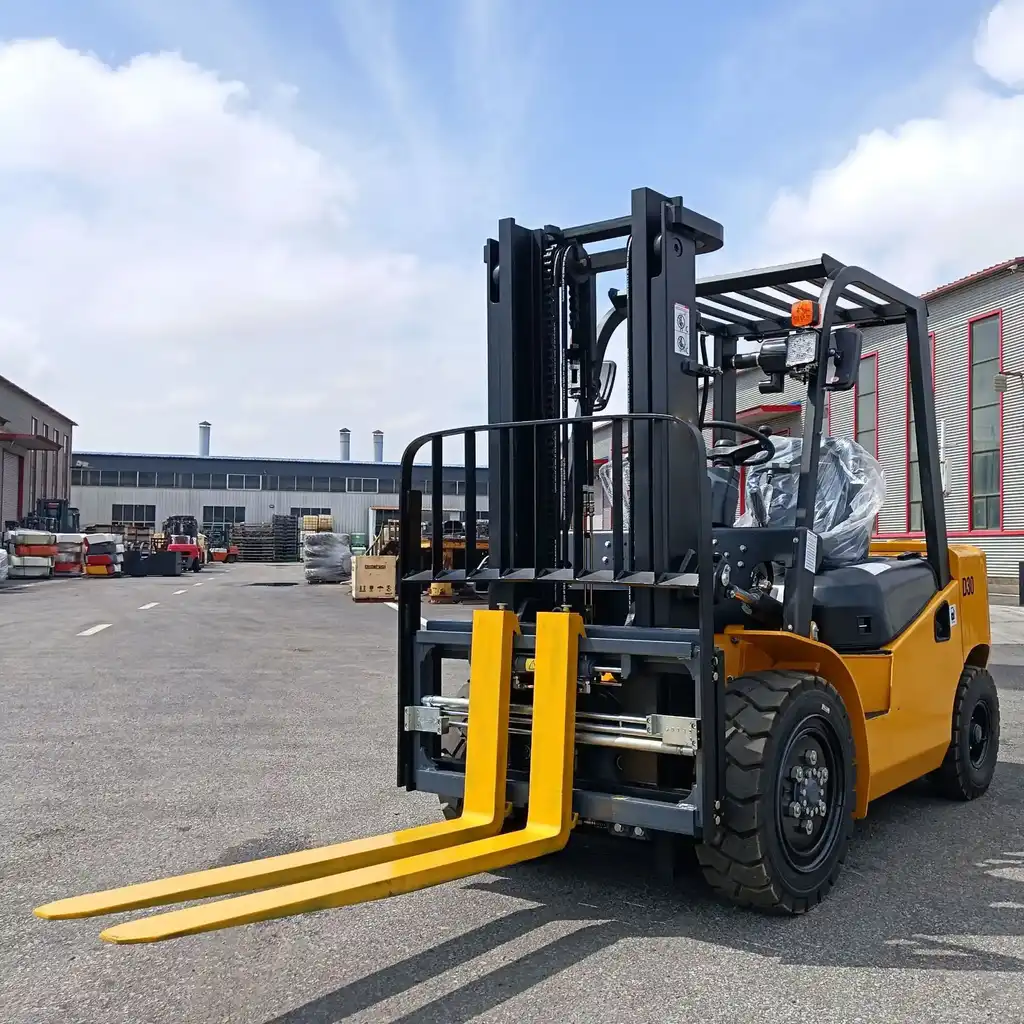
- Diesel forklift — uses an internal combustion engine running on diesel fuel. High torque and fast refueling; traditionally the default for outdoor and heavy-duty work.

- Propane (LPG) forklift — an internal combustion engine running on liquefied petroleum gas. Burns cleaner than diesel and refuels in minutes by swapping the gas cylinder.
Side-by-Side Comparison
| Factor | Electric | Diesel | Propane (LPG) |
| Upfront purchase cost | Higher | Lower | Lower to medium |
| Energy cost per hour | Low (electricity) | High (diesel) | Medium |
| Exhaust emissions | None at point of use | High (CO₂, NOx, particulates) | Low (indoor-approved with ventilation) |
| Operating noise | Low | High | Medium |
| Maintenance | Fewest moving parts; no engine service | Engine oil, filters, regular servicing | Engine service plus fuel system |
| Refuel / recharge | 6–8h overnight (lead-acid) or fast opportunity charge (Li-ion) | Fast refuel at pump | Cylinder swap in minutes |
| Indoor use | Yes — ideal | No — outdoor only | Yes, with adequate ventilation |
| Outdoor / continuous heavy duty | Limited by battery runtime | Best | Good |
| Cold-weather performance | Battery capacity reduced | Good (with cold-start care) | Good |

Total Cost of Ownership: Look Beyond the Sticker Price
Purchase price alone is misleading. Calculate the 5-year total cost of ownership for each option:
- Electric — higher upfront cost, but the lowest energy and maintenance cost per hour. The main additional cost is battery replacement: lead-acid batteries typically last 3–5 years, while lithium-ion batteries last 8–10 years. Multi-shift electric fleets usually come out cheapest over five years.
- Diesel — lower upfront cost, but fuel and engine maintenance add up quickly. In cities with tightening emissions regulations, diesel forklifts also face operating restrictions and weaker resale value.
- Propane — sits in the middle. Fuel cost is lower than diesel, and cylinder swapping keeps downtime short, making it a practical compromise for mixed indoor-outdoor use.
As a rule of thumb, for indoor multi-shift operation, electric usually has the lowest total cost despite the higher sticker price. For outdoor continuous heavy use, diesel often remains the most practical choice.
Which Forklift Fuel Should You Choose?

Choose an electric forklift when:
- Your operation is indoor or partially enclosed
- You run multiple shifts (with lithium-ion opportunity charging)
- Low noise is required (retail, food, pharma, night shifts)
- You want the lowest long-term operating cost
- Local regulations restrict combustion-engine emissions

Choose a diesel forklift when:
- Work is primarily outdoor with heavy loads and long continuous shifts
- Fast refueling is essential and no charging infrastructure exists
- You operate on rough terrain or in construction yards

Choose a propane (LPG) forklift when:
- You need a mix of indoor and outdoor work with ventilation
- Fast fuel swap is important but diesel emissions are not acceptable
- Electric charging infrastructure is not feasible on site
If You Choose Electric: Key Specs to Confirm
If electric fits your operation, confirm these details with your supplier: battery type (lead-acid vs. lithium-ion), charging infrastructure, load capacity and lift height, indoor/outdoor rating and tire type, and — for overseas buyers — spare-parts availability and after-sales support.

Buying Checklist
- [ ] Primary environment: indoor, outdoor or mixed?
- [ ] Daily operating hours: single shift or multi-shift?
- [ ] Infrastructure: charging point available, or fuel access?
- [ ] Local regulations: any emissions restrictions on diesel?
- [ ] Load requirements: maximum load and lift height?
- [ ] Total cost: have you estimated the 5-year TCO?
- [ ] After-sales: spare parts, warranty and technical support confirmed?

Frequently Asked Questions
Q: Are electric forklifts as powerful as diesel?
A: Modern electric motors deliver high torque and match diesel performance for most warehouse and yard loads. Diesel still leads for heavy, continuous outdoor duty.
Q: Can electric forklifts be used outdoors?
A: Yes — models with sealed electronics and pneumatic tires work outdoors. Standard electric forklifts are optimized for smooth indoor floors, so confirm the rating with your supplier.
Q: How long does an electric forklift battery last?
A: A lead-acid battery typically lasts 1,000–1,500 cycles or 3–5 years. A lithium-ion battery typically lasts 2,000–3,000+ cycles or 8–10 years with proper management.
Q: Is a propane forklift safe to use indoors?
A: LPG burns cleanly and is approved for indoor use with adequate ventilation. Diesel forklifts are not suitable for indoor operation.
Q: Which fuel has the lowest total cost?
A: For multi-shift indoor use, electric usually delivers the lowest 5-year total cost despite its higher upfront price. For single-shift outdoor work, diesel or propane may be cheaper to acquire.
Conclusion
There is no universally “best” forklift fuel — the right choice matches your working environment, shift pattern and total cost of ownership. For indoor and multi-shift operations, electric is increasingly the lower-cost, lower-emission choice. Shenggong Machinery supplies electric forklifts, electric stackers, electric pallet trucks and a full material-handling range with OEM/ODM customization for overseas buyers. If you would like a total-cost comparison tailored to your operation, contact our team for a configuration recommendation and quotation.